

Wisconsin: Where Natural Beauty Meets Opportunity

Wisconsin is a state that effortlessly blends breathtaking natural landscapes with a strong sense of community and opportunity. From its thousands of sparkling lakes and lush forests to its charming small towns and dynamic cities, Wisconsin offers something for everyone. Visitors are drawn to its outdoor recreation, cultural festivals, and welcoming atmosphere, while residents enjoy a high quality of life, growing economic opportunities, and a deep-rooted Midwestern spirit. Whether you're looking to explore, invest, or settle down, Wisconsin delivers a balance of beauty, affordability, and possibility that’s hard to match.

Click On Your County

Click on your county below to explore everything you need to know—local businesses, helpful resources, community highlights, and more. Each county page is a dedicated hub designed to connect you with what's happening in your region. Just choose your location and get instantly transported to your county’s guide. It’s the easiest way to stay informed, shop local, and discover what makes your community thrive.

Adams

Ashland

Barron

Bayfield

Brown

Buffalo

Burnett

Calumet

Chippewa

Clark

Columbia

Crawford

Dane

Dodge

Door

Douglas

Dunn

Eau Claire

Florence

Fond du Lac

Forest

Grant

Green

Green

Lake

Iowa

Iron

Jackson

Jefferson

Juneau

Kenosha

Kewaunee

La Crosse

Lafayette

Langlade

Lincoln

Manitowoc

Marathon

Marinette

Marquette

Menominee

Milwaukee

Monroe

Oconto

Oneida

Outagamie

Ozaukee

Pepin

Pierce

Polk

Portage

Price

Racine

Richland

Rock

Rusk

St. Croix

Sauk

Sawyer

Shawano

Sheboygan

Taylor

Trempealeau

Vernon

Vilas

Walworth

Washburn

Washington

Waukesha

Waupaca

Waushara

Winnebago

Wood

Wisconsin: A Place Where Heritage, Nature, and Opportunity Come Together

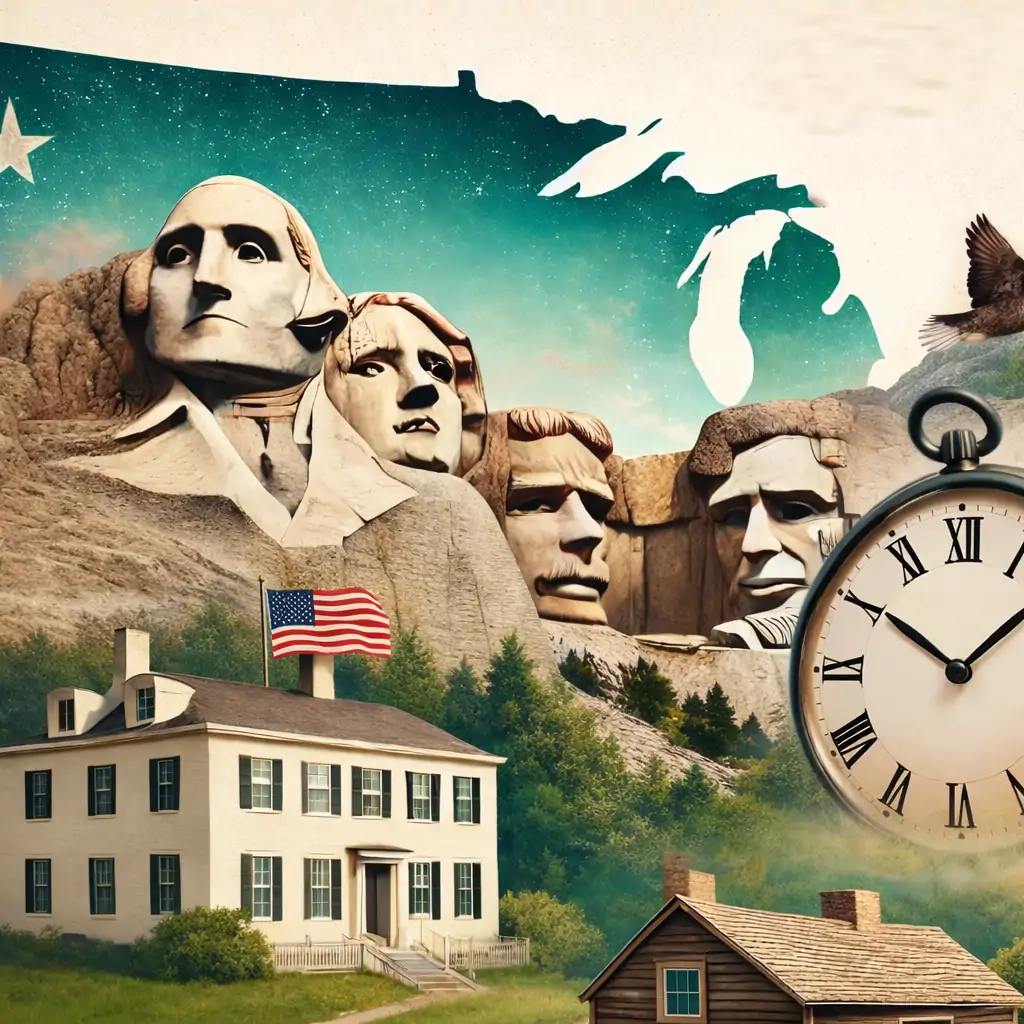
Wisconsin’s story is deeply rooted in American history, shaped by Native American heritage, early European exploration, and a strong industrial legacy. From the fur trading era along the Great Lakes to its rise as a leader in agriculture and manufacturing, the state has played a vital role in the nation’s development. Historic landmarks, preserved downtown districts, and museums across the state reflect a proud past that still influences its identity today. Whether walking through a centuries-old community or visiting iconic sites tied to its early settlers, Wisconsin offers a meaningful connection to history that feels both authentic and alive.

That rich past is matched by an equally impressive natural landscape that continues to draw visitors year-round. Wisconsin is home to more than 15,000 lakes, winding rivers, rolling farmland, and dense forests that transform beautifully with each season. In the summer, residents and tourists enjoy boating, fishing, and hiking, while fall brings vibrant colors that blanket the countryside. Winter turns the state into a snowy playground for skiing and snowmobiling, and spring awakens its parks and trails with fresh energy. From the scenic shores of Lake Michigan to the peaceful Northwoods, Wisconsin’s outdoor beauty offers both adventure and tranquility.

Beyond its landscapes, Wisconsin thrives on a strong sense of culture and community. The state is known for its lively festivals, local traditions, and deep appreciation for the arts. From music and food festivals to county fairs and cultural celebrations, there is always something bringing people together. Cities like Milwaukee and Madison offer a dynamic mix of entertainment, education, and innovation, while smaller towns maintain a close-knit, welcoming atmosphere. Universities and colleges throughout the state contribute to a vibrant intellectual and creative environment, making Wisconsin a place where ideas and traditions coexist and grow.

For those considering a move, Wisconsin stands out for its quality of life and economic stability. The state offers a diverse economy built on manufacturing, agriculture, healthcare, and technology, providing a wide range of career opportunities. Affordable housing, strong school systems, and access to healthcare make it especially appealing for families and entrepreneurs alike. Infrastructure and modern amenities support both business growth and everyday convenience, while the overall pace of life strikes a balance between productivity and relaxation. It’s a place where you can build something meaningful without sacrificing comfort or community.

Whether you’re visiting for a weekend getaway or looking for a place to put down roots, Wisconsin has a way of making you feel at home. Its blend of scenic beauty, cultural richness, and real opportunity creates an environment that’s both inspiring and grounded. People come for the lakes, the festivals, or the history—but many stay for the lifestyle and the sense of belonging. If you’re searching for a place that offers both charm and potential, Wisconsin is ready to welcome you.

Population

5,900,000

Founded

1848

Land Area (sq miles)

54,158

Water Area (sq miles)

11,339

Largest City

Milwaukee

Capital

Madison

Wisconsin: Governance, Legislation, and Initiatives for Progress

Wisconsin stands as a state where structured governance and forward-thinking leadership work hand in hand to serve its people and fuel long-term growth. The state operates under a three-branch system designed to balance power and ensure accountability. The executive branch, led by the governor, is responsible for implementing laws, managing state agencies, and guiding economic and social initiatives. The legislative branch, made up of the State Assembly and Senate, crafts and passes laws that reflect the needs and priorities of residents across both urban and rural communities. The judicial branch interprets these laws through a structured court system, ensuring fairness and upholding the state constitution. Together, these branches create a stable and responsive government that adapts to change while maintaining strong foundational principles.

Recent legislative efforts in Wisconsin reflect a focus on strengthening communities, supporting economic development, and improving quality of life. Workforce development legislation has been enacted to expand job training programs, helping residents gain skills in high-demand industries like manufacturing and healthcare. Tax relief measures have also been introduced to ease the financial burden on families and small businesses, encouraging growth and reinvestment in local economies. Education-focused laws have prioritized increased funding for schools and technical colleges, ensuring students are better prepared for modern careers. Infrastructure investment bills have targeted roads, bridges, and broadband expansion, particularly in rural areas where connectivity is essential for both business and daily life. Additionally, public safety legislation has aimed to enhance community protection while supporting law enforcement resources and training.

Beyond legislation, Wisconsin continues to move forward through impactful programs and initiatives designed to support its residents and attract new opportunities. Economic development initiatives focus on helping small businesses grow while drawing new industries into the state, particularly in technology and advanced manufacturing. Workforce programs connect employers with skilled talent, creating a pipeline that benefits both job seekers and businesses. Environmental initiatives emphasize conservation and sustainable use of natural resources, preserving the state’s lakes, forests, and outdoor spaces for future generations. Investments in healthcare access and community services ensure residents have the support they need to thrive. Altogether, these efforts reflect Wisconsin’s commitment to progress—building a future that is economically strong, community-focused, and full of opportunity.

Events: Your Cultural Calendar for Wisconsin

Wisconsin comes alive throughout the year with a dynamic lineup of festivals and events that celebrate its culture, heritage, music, food, and strong sense of community. One of the most iconic events is Summerfest in Milwaukee, widely recognized as one of the largest music festivals in the world. Spanning multiple days along the Lake Michigan shoreline, it features performances from top global artists across multiple stages, alongside local food vendors, family activities, and a vibrant waterfront atmosphere that draws visitors from across the country. Summerfest – Henry Maier Festival Park, 200 N Harbor Dr, Milwaukee, WI 53202 – 414-273-2680 – [www.summerfest.com](http://www.summerfest.com)

Equally celebrated is Oktoberfest in La Crosse, a beloved tradition that showcases Wisconsin’s deep German heritage. This lively festival transforms the city into a cultural hub filled with parades, traditional music, dancing, and authentic German cuisine. Families and visitors can enjoy craft beer, festive attire, and a welcoming environment that brings people together year after year. Oktoberfest La Crosse – 601 7th St N, La Crosse, WI 54601 – 608-784-3378 – [www.oktoberfestusa.com](http://www.oktoberfestusa.com)

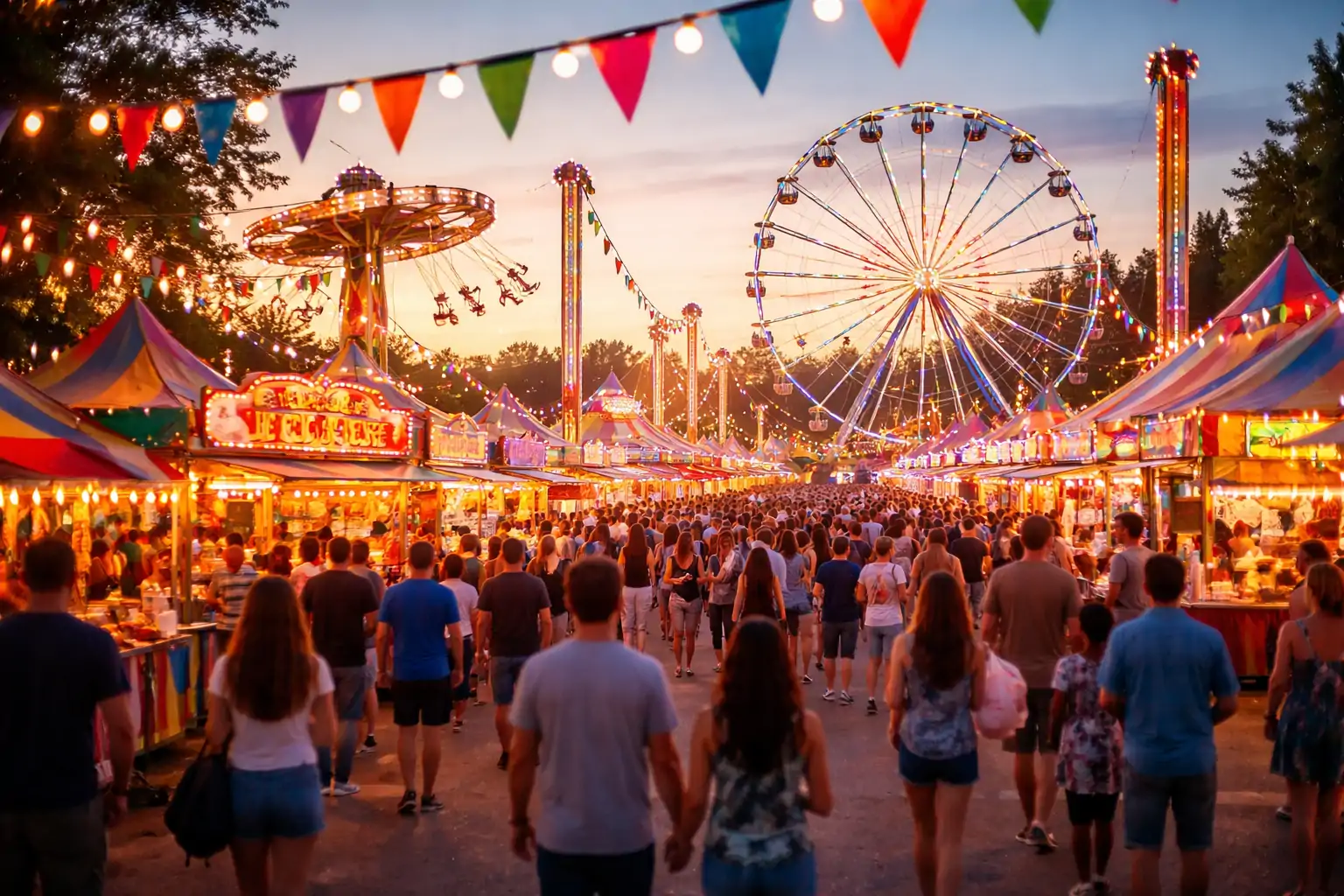
The Wisconsin State Fair, held annually in West Allis, is another cornerstone event that blends entertainment with agricultural pride. Featuring livestock exhibits, carnival rides, live performances, and an endless array of unique and classic fair foods, it offers something for all ages. It’s a place where tradition meets fun, showcasing the state’s farming roots while providing a modern festival experience. Wisconsin State Fair – 640 S 84th St, West Allis, WI 53214 – 414-266-7000 – [www.wistatefair.com](http://www.wistatefair.com)

In Madison, the Dane County Farmers’ Market stands as one of the largest producer-only markets in the nation and is a weekly celebration of local agriculture and community connection. Surrounding the State Capitol, visitors can explore fresh produce, handmade goods, baked treats, and artisan products while enjoying live music and the lively energy of the city. Dane County Farmers’ Market – Capitol Square, Madison, WI 53703 – 608-455-1999 – [www.dcfm.org](http://www.dcfm.org)

EAA AirVenture Oshkosh is a must-see for aviation enthusiasts and families alike, drawing visitors from around the world. Known as the world’s greatest aviation celebration, it features breathtaking air shows, aircraft displays ranging from vintage planes to cutting-edge innovations, and interactive exhibits that inspire curiosity and excitement. EAA AirVenture Oshkosh – 3000 Poberezny Rd, Oshkosh, WI 54902 – 920-426-4800 – [www.eaa.org](http://www.eaa.org)

For those who love art and creativity, the Milwaukee Art Museum’s Lakefront Festival of Art offers a refined yet accessible experience. Set against the backdrop of stunning architecture and lake views, this event features works from artists across the country, along with live performances, hands-on activities, and culinary experiences that make it both sophisticated and family-friendly. Lakefront Festival of Art – 700 N Art Museum Dr, Milwaukee, WI 53202 – 414-224-3200 – [www.mam.org](http://www.mam.org)

In Door County, the Fall Festival in Sister Bay captures the essence of Wisconsin’s seasonal charm. Known for its vibrant autumn colors, this festival includes parades, craft markets, live music, and local food, creating a warm, small-town experience that highlights community spirit and natural beauty. Sister Bay Fall Festival – 10310 Fieldcrest Rd, Sister Bay, WI 54234 – 920-854-2812 – [www.cometosisterbay.com](http://www.cometosisterbay.com)

Winter in Wisconsin brings its own excitement with events like Winterfest in Lake Geneva, where visitors can experience professional snow sculpting competitions, ice castles, and seasonal activities that transform the cold into something magical. It’s a celebration of creativity and resilience, offering fun for families and visitors even in the heart of winter. Lake Geneva Winterfest – 201 Wrigley Dr, Lake Geneva, WI 53147 – 262-248-4416 – [www.visitlakegeneva.com](http://www.visitlakegeneva.com)

Together, these events showcase Wisconsin’s vibrant culture, strong traditions, and welcoming communities, offering year-round opportunities to connect, celebrate, and experience everything the state has to offer.

Industries that Drive Wisconsin’s Economy: From Farmland to Innovation

Wisconsin’s agricultural sector is the backbone of its economy, deeply rooted in tradition while continuously evolving with modern practices. Known as “America’s Dairyland,” the state leads the nation in cheese production and is one of the top producers of milk, butter, and other dairy products. Beyond dairy, Wisconsin’s fertile land supports a wide range of crops, including corn, soybeans, cranberries, potatoes, and ginseng—making it one of the most diverse agricultural producers in the country. Family-owned farms and large-scale operations alike contribute to a strong supply chain that feeds both national and international markets. The state has also invested heavily in agricultural innovation through research institutions and extension programs, helping farmers increase efficiency, sustainability, and profitability. Initiatives focused on soil health, water conservation, and precision agriculture ensure that Wisconsin remains competitive while preserving its natural resources for future generations. Wisconsin Department of Agriculture, Trade and Consumer Protection – 2811 Agriculture Dr, Madison, WI 53718 – 608-224-5012 – [www.datcp.wisconsin.gov](http://www.datcp.wisconsin.gov)

Manufacturing stands as another powerful pillar of Wisconsin’s economy, earning the state a reputation as one of the most manufacturing-intensive regions in the United States. From heavy machinery and industrial equipment to food processing, paper products, and advanced materials, Wisconsin’s factories produce goods that are essential to both domestic and global markets. The state is home to a strong network of skilled workers, supported by technical colleges and workforce development programs that keep talent aligned with industry needs. Manufacturing in Wisconsin is not just about tradition—it’s about innovation. Companies are increasingly adopting automation, robotics, and advanced production techniques to stay competitive. Economic initiatives and public-private partnerships continue to support this sector through grants, tax incentives, and infrastructure improvements, ensuring long-term growth and resilience. Wisconsin Manufacturing Extension Partnership – 2601 Crossroads Dr, Madison, WI 53718 – 608-243-3616 – [www.wmep.org](http://www.wmep.org)

Renewable energy is rapidly emerging as a key driver of Wisconsin’s future economy, reflecting a growing commitment to sustainability and energy independence. The state has expanded its investment in wind and solar energy projects, with wind farms generating clean power across rural areas and solar installations becoming more common on both residential and commercial properties. Biomass and hydropower also play important roles, leveraging Wisconsin’s natural resources to produce reliable, renewable energy. These initiatives not only reduce environmental impact but also create jobs in construction, maintenance, and energy technology sectors. State-supported programs and partnerships with private companies are accelerating the transition to clean energy, while also helping businesses and homeowners reduce energy costs. Efforts to modernize the power grid and improve energy efficiency further position Wisconsin as a forward-thinking leader in the renewable space. Focus on Energy – 725 W Park Ave, Madison, WI 53715 – 800-762-7077 – [www.focusonenergy.com](http://www.focusonenergy.com)

Historical Sites in Wisconsin: Discover the Landmarks That Shaped a Legacy

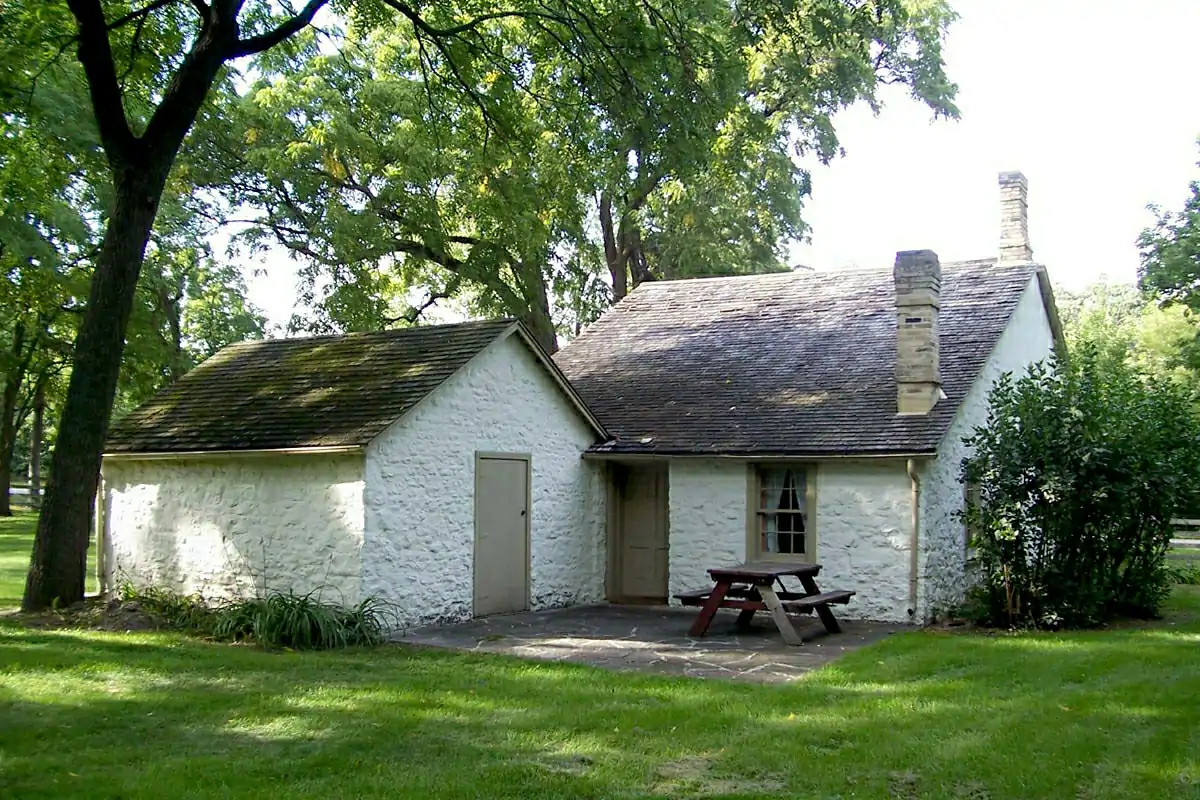
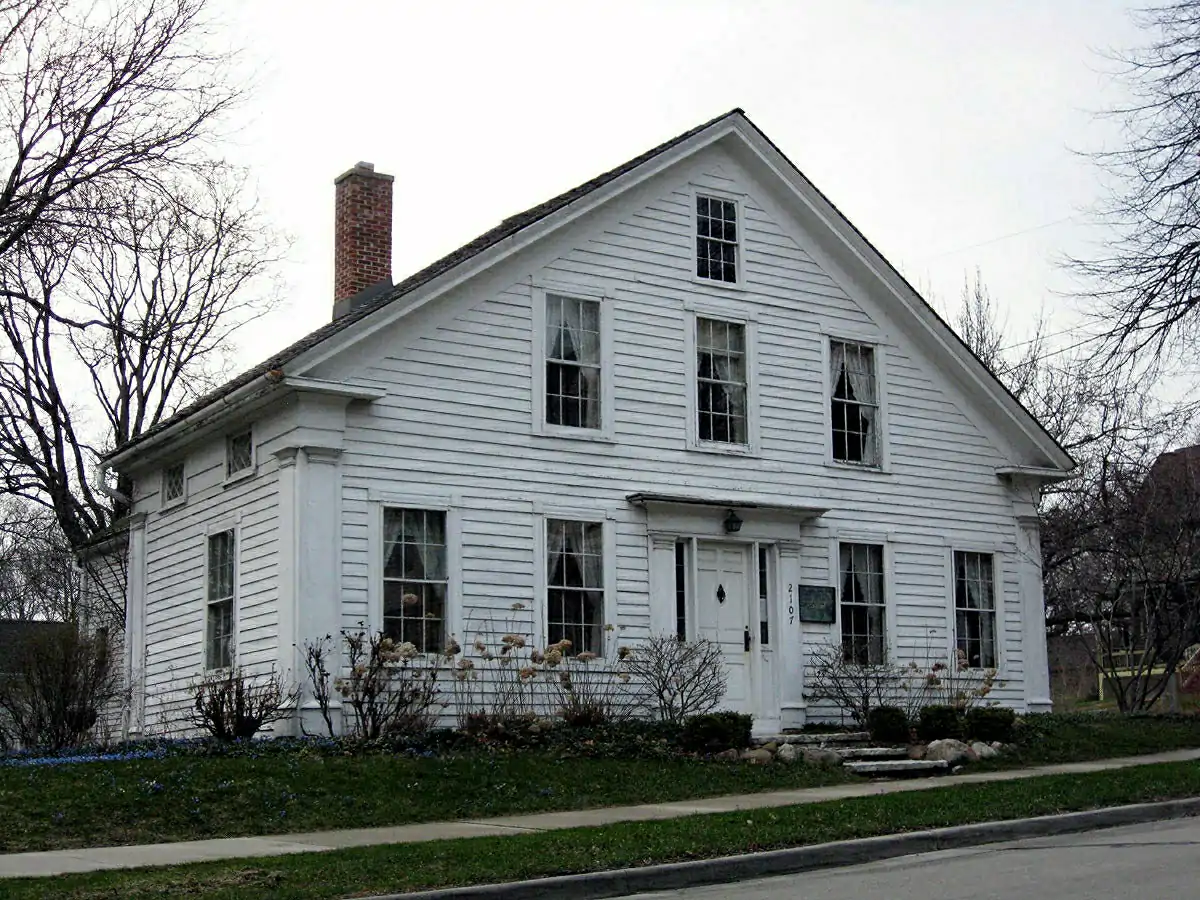
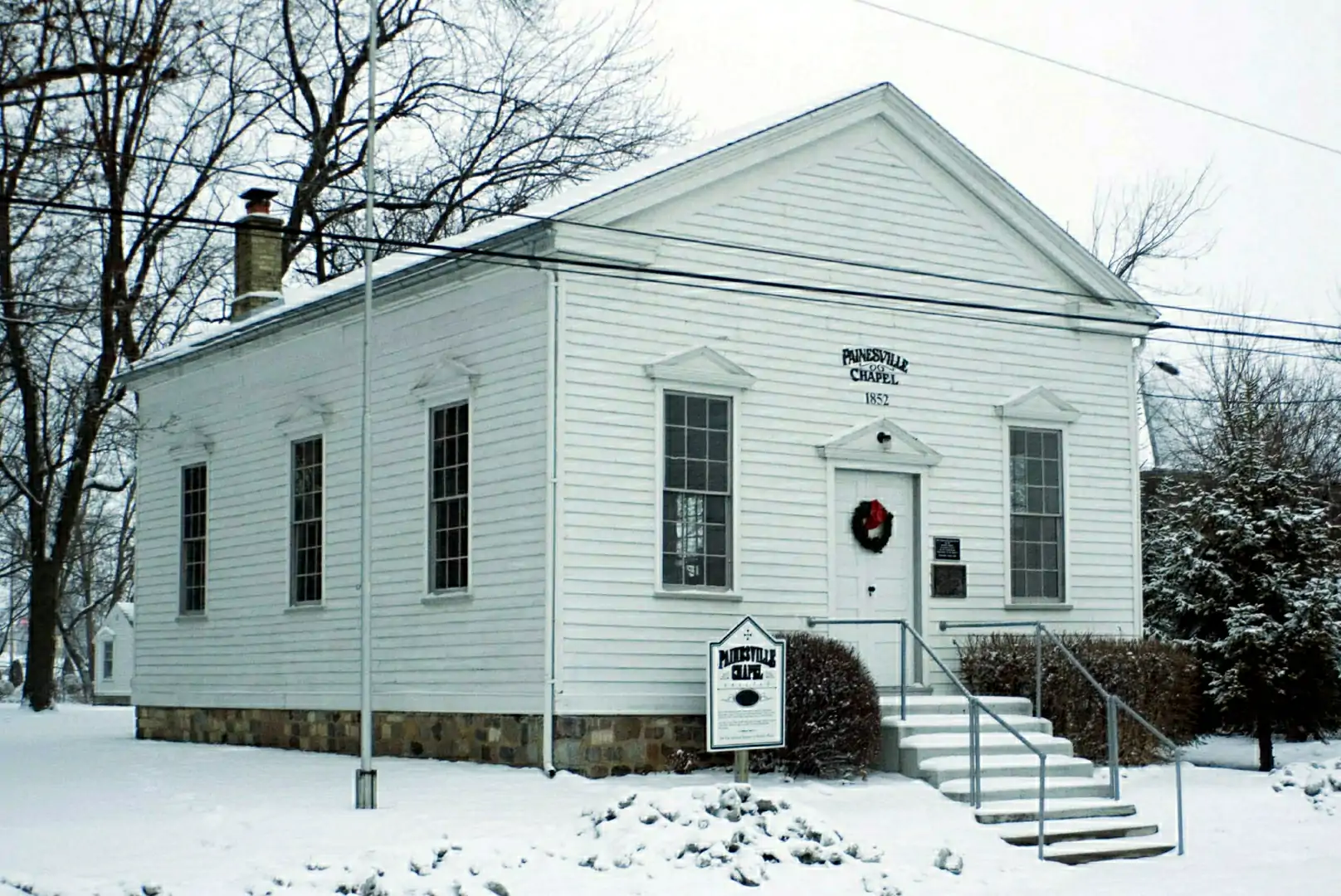
Wisconsin’s history is a rich tapestry woven from Native American heritage, European exploration, and industrial growth that helped define the Midwest. Long before statehood, Indigenous nations such as the Ho-Chunk, Menominee, Ojibwe, and Potawatomi called this land home, building deep cultural connections to its rivers, forests, and lakes. The arrival of French explorers and fur traders in the 17th century marked the beginning of European influence, turning Wisconsin into a key hub for trade and cultural exchange. As the region developed, it became part of the Northwest Territory before officially achieving statehood in 1848. This layered history is still visible today in preserved landmarks, historic towns, and cultural institutions that honor both its Indigenous roots and its role in early American expansion.

As Wisconsin grew, it became a center for agriculture, industry, and progressive political thought. The rise of dairy farming earned it national recognition, while its manufacturing sector fueled economic growth through the late 19th and 20th centuries. Cities like Milwaukee and Madison emerged as hubs of innovation, immigration, and cultural diversity, bringing European traditions that continue to influence local architecture, cuisine, and festivals. Wisconsin also played a key role in the Progressive Movement, shaping policies that impacted labor rights, education, and governance across the nation. Today, its historical sites offer a powerful glimpse into these transformative eras, allowing visitors to walk through the moments that built the state’s identity.

Taliesin – 5607 County Rd C, Spring Green, WI 53588 – 877-588-7900 – [www.taliesinpreservation.org](http://www.taliesinpreservation.org)
The home, studio, and architectural school of Frank Lloyd Wright, Taliesin stands as one of the most significant architectural sites in the country. It offers insight into Wright’s groundbreaking designs and his lasting influence on American architecture.

Old World Wisconsin – W372 S9727 WI-67, Eagle, WI 53119 – 262-594-6301 – [www.oldworldwisconsin.org](http://www.oldworldwisconsin.org)
This expansive outdoor museum brings 19th-century immigrant life to life with restored buildings, costumed interpreters, and hands-on experiences that showcase the traditions of early settlers.

Pabst Mansion – 2000 W Wisconsin Ave, Milwaukee, WI 53233 – 414-931-0808 – [www.pabstmansion.com](http://www.pabstmansion.com)
Once home to brewing magnate Captain Frederick Pabst, this beautifully preserved mansion reflects the wealth and craftsmanship of the Gilded Age and Milwaukee’s brewing legacy.

Wisconsin State Capitol – 2 E Main St, Madison, WI 53703 – 608-266-0382 – [www.wisconsinstatecapitol.gov](http://www.wisconsinstatecapitol.gov)
A stunning architectural landmark, the Capitol building is not only the center of government but also a symbol of the state’s political history and progressive reforms.

Heritage Hill State Historical Park – 2640 S Webster Ave, Green Bay, WI 54301 – 920-448-5150 – [www.heritagehillgb.org](http://www.heritagehillgb.org)
This living history park showcases over 300 years of Wisconsin’s past, from Native American life to early European settlement and industrial growth.

Circus World Museum – 550 Water St, Baraboo, WI 53913 – 608-356-8341 – [www.circusworldbaraboo.org](http://www.circusworldbaraboo.org)
Located in the historic winter quarters of the Ringling Brothers Circus, this museum celebrates Wisconsin’s role in the golden age of American circus entertainment.

Villa Louis Historic Site – 521 N Villa Louis Rd, Prairie du Chien, WI 53821 – 608-326-2721 – [www.wisconsinhistory.org](http://www.wisconsinhistory.org)
A beautifully preserved Victorian estate, Villa Louis offers a glimpse into the life of a prominent fur trade family and the economic history of the Mississippi River region.

Aztalan State Park – N6200 County Rd Q, Jefferson, WI 53549 – 920-674-7490 – [www.dnr.wisconsin.gov](http://www.dnr.wisconsin.gov)
This archaeological site preserves the remains of an ancient Mississippian settlement, providing a rare look into pre-Columbian Native American civilization in the region.

H.H. Bennett Studio – 215 Broadway, Wisconsin Dells, WI 53965 – 608-253-3523 – [www.wisconsinhistory.org](http://www.wisconsinhistory.org)
The historic photography studio of H.H. Bennett helped popularize Wisconsin Dells as a tourist destination through pioneering landscape photography.

Black Point Estate and Gardens – W4270 Southland Rd, Lake Geneva, WI 53147 – 262-248-1888 – [www.wisconsinhistory.org](http://www.wisconsinhistory.org)
This lakeside mansion offers insight into the lives of wealthy industrialists and the rise of Lake Geneva as a resort destination during the late 19th century.

Educational Resources in Wisconsin: A Tradition of Excellence and Innovation

Wisconsin has long been recognized as a leader in education, combining a strong academic foundation with forward-thinking research and real-world application. At the heart of this system is the University of Wisconsin–Madison, a flagship institution known for its groundbreaking research, particularly in fields like biotechnology, engineering, agriculture, and public policy. Its influence extends far beyond the classroom, contributing to innovations that impact industries worldwide. Alongside it, Marquette University in Milwaukee offers a respected private education with strengths in law, business, and health sciences, emphasizing leadership and service. The University of Wisconsin–Milwaukee plays a vital role in urban research and innovation, particularly in freshwater sciences and engineering, taking advantage of its proximity to Lake Michigan. These institutions, along with others across the state, create a powerful network of higher education that supports both academic achievement and workforce development.

What truly sets Wisconsin apart is its commitment to accessibility and practical learning. The Wisconsin Technical College System provides hands-on training in high-demand careers such as manufacturing, healthcare, IT, and skilled trades, ensuring students are job-ready upon graduation. Schools like the Milwaukee School of Engineering focus on applied learning and strong industry connections, preparing students for immediate success in technical fields. Meanwhile, smaller institutions like Lawrence University offer personalized, liberal arts education with a strong emphasis on creativity and critical thinking. Across the board, Wisconsin’s education system is built to support a wide range of learners—from traditional college students to working adults seeking new skills—making it a powerful driver of both personal and economic growth.

University of Wisconsin–Madison – 500 Lincoln Dr, Madison, WI 53706 – 608-263-2400 – [www.wisc.edu](http://www.wisc.edu)
A globally recognized research university known for excellence in science, engineering, agriculture, and public affairs, consistently ranked among the top public universities in the nation.

Marquette University – 1250 W Wisconsin Ave, Milwaukee, WI 53233 – 414-288-7710 – [www.marquette.edu](http://www.marquette.edu)
A prestigious private university offering strong programs in law, business, health sciences, and communications, with a focus on leadership and service.

University of Wisconsin–Milwaukee – 2200 E Kenwood Blvd, Milwaukee, WI 53211 – 414-229-1122 – [www.uwm.edu](http://www.uwm.edu)
A major urban research university known for its School of Freshwater Sciences, engineering programs, and commitment to innovation in a city environment.

Milwaukee School of Engineering – 1025 N Broadway, Milwaukee, WI 53202 – 414-277-6767 – [www.msoe.edu](http://www.msoe.edu)
A highly regarded engineering and technology-focused institution emphasizing hands-on learning, small class sizes, and strong industry partnerships.

University of Wisconsin–Green Bay – 2420 Nicolet Dr, Green Bay, WI 54311 – 920-465-2000 – [www.uwgb.edu](http://www.uwgb.edu)
Known for its environmental sustainability focus and strong business and education programs, offering a modern, interdisciplinary approach to learning.

University of Wisconsin–La Crosse – 1725 State St, La Crosse, WI 54601 – 608-785-8000 – [www.uwlax.edu](http://www.uwlax.edu)
A top-ranked regional university with strengths in health sciences, education, and exercise science, providing a strong balance of academics and student life.

Wisconsin Technical College System – 4622 University Ave, Madison, WI 53705 – 608-266-1207 – [www.wtcsystem.edu](http://www.wtcsystem.edu)
A statewide network of colleges offering career-focused education and training in high-demand industries, playing a key role in workforce development.

Lawrence University – 711 E Boldt Way, Appleton, WI 54911 – 920-832-7000 – [www.lawrence.edu](http://www.lawrence.edu)
A respected liberal arts college known for its Conservatory of Music and emphasis on individualized education and creative exploration.

Health & Safety

Health and Safety Resources for Wisconsin: Comprehensive Care and Community Protection

Wisconsin provides a strong network of health and safety resources designed to support residents at every stage of life, combining advanced medical care with community-focused wellness initiatives. Across the state, leading healthcare systems deliver high-quality services ranging from routine care to specialized treatments. UW Health in Madison is nationally recognized for its cutting-edge research hospitals and specialty care, while Froedtert & the Medical College of Wisconsin in Milwaukee offers advanced trauma care, cancer treatment, and surgical innovation. Aurora Health Care, with locations statewide, ensures accessible primary and specialty care, making it easier for residents to receive consistent medical attention close to home. Supporting these institutions is the Wisconsin Department of Health Services, which plays a critical role in public health by providing guidance, programs, and resources for disease prevention, family health, and community wellness. Together, these organizations create a healthcare system that prioritizes both quality and accessibility.

Mental health support is a key focus throughout Wisconsin, with a growing emphasis on awareness, accessibility, and early intervention. Organizations like the National Alliance on Mental Illness (NAMI) Wisconsin provide vital support through education, advocacy, and peer-led programs that help individuals and families navigate mental health challenges. Crisis intervention services are available statewide, including 24/7 hotlines and local crisis centers that offer immediate assistance during urgent situations. Counseling services, both in-person and virtual, are widely available, ensuring that residents in urban and rural areas alike have access to professional support. State initiatives continue to expand mental health services in schools, workplaces, and communities, helping to reduce stigma and encourage people to seek help when they need it most.

Wisconsin also takes emergency preparedness seriously, equipping residents with the tools and knowledge needed to stay safe year-round. Seasonal safety campaigns address challenges such as winter storms, extreme cold, and summer heat, while public health efforts promote flu vaccinations and routine immunizations to protect communities. Emergency management resources provide guidance on preparing for natural disasters, creating family safety plans, and staying informed during emergencies. Wellness programs across the state encourage preventive care, healthy living, and community engagement, helping residents maintain both physical and mental well-being. These combined efforts ensure that Wisconsin is not only a place of strong healthcare but also a state where safety, preparedness, and resilience are deeply valued.

UW Health – 600 Highland Ave, Madison, WI 53792 – 608-263-6400 – [www.uwhealth.org](http://www.uwhealth.org)
Froedtert & the Medical College of Wisconsin – 9200 W Wisconsin Ave, Milwaukee, WI 53226 – 414-805-3000 – [www.froedtert.com](http://www.froedtert.com)
Aurora Health Care – 750 W Virginia St, Milwaukee, WI 53204 – 414-647-3000 – [www.aurorahealthcare.org](http://www.aurorahealthcare.org)
Wisconsin Department of Health Services – 1 W Wilson St, Madison, WI 53703 – 608-266-1865 – [www.dhs.wisconsin.gov](http://www.dhs.wisconsin.gov)
NAMI Wisconsin – 4233 W Beltline Hwy, Madison, WI 53711 – 608-268-6000 – [www.namiwisconsin.org](http://www.namiwisconsin.org)
988 Suicide & Crisis Lifeline Wisconsin – Statewide Access – 988 – [www.988lifeline.org](http://www.988lifeline.org)
Wisconsin Emergency Management – 2400 Wright St, Madison, WI 53704 – 608-242-3232 – [www.wem.wi.gov](http://www.wem.wi.gov)

Forward

This single word captures the spirit that has defined Wisconsin since its earliest days—a commitment to progress, resilience, and constant improvement. Adopted in the mid-19th century, the motto reflects the state’s role in shaping forward-thinking policies, particularly during the Progressive Era when Wisconsin became a national leader in labor rights, education reform, and government accountability. It represents more than just movement—it symbolizes a mindset rooted in innovation, determination, and the belief that growth is always possible.

“Forward” aligns closely with Wisconsin’s identity as a state that values hard work, community, and advancement. From its agricultural roots to its modern industries in manufacturing, healthcare, and technology, Wisconsin has consistently looked ahead, adapting to change while staying grounded in its traditions. The motto is also reflected in the people—individuals and communities that strive to improve their lives, support one another, and build a stronger future for the next generation. Whether it’s through education, business, or public service, the idea of moving forward continues to guide the state’s direction.

It’s a powerful statement of purpose—simple, direct, and deeply meaningful—capturing Wisconsin’s enduring drive to evolve, grow, and lead with intention.